
RTK Base Station Setup Guide: Receiver, Antenna, Position
Build an RTK base station that rovers can actually compare: receiver licences, antenna choice, four ways to fix the reference position, RTCMv3 output, and a worked PolaRx5e example.
GNSS technology, algorithms and integrity features
Build an RTK base station that rovers can actually compare: receiver licences, antenna choice, four ways to fix the reference position, RTCMv3 output, and a worked PolaRx5e example.
A review of published studies on GNSS in fast, high-dynamic operations: velocity accuracy by method, urban-canyon availability, turns and antenna visibility, receiver dynamics settings and a test checklist.

Can RTK hold a fixed solution under tree canopy in the rain? A review of 36 screenshots from a multi-receiver field test with Septentrio mosaic-X5 and mosaic-H platforms (Eview HB56 / HB56H), with fix ratios, limits and a retest design.
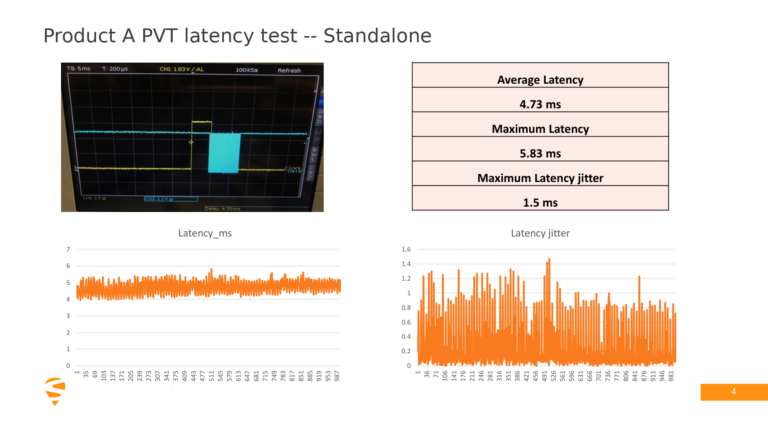
Measured PVT output latency, jitter and update rate across seven receivers: 4.41–4.73 ms average latency, 0.97–1.5 ms jitter and up to 100 Hz output on the Eview HB56, built on the Septentrio mosaic-X5.
Why an RTK fix degrades after sunset in low latitudes: ionospheric scintillation, the S4 and sigma-phi indices, and how IONO+ holds accuracy.
A jammer can shift a receiver’s PPS while position stays fixed. Why frequency-dependent delay causes it, and how in-band zero-delay anti-jamming (Septentrio AIM+) prevents it.
RAIM+ rejects bad GNSS measurements before they corrupt your fix. How Septentrio integrity monitoring keeps RTK stable in multipath. Request a quote.